
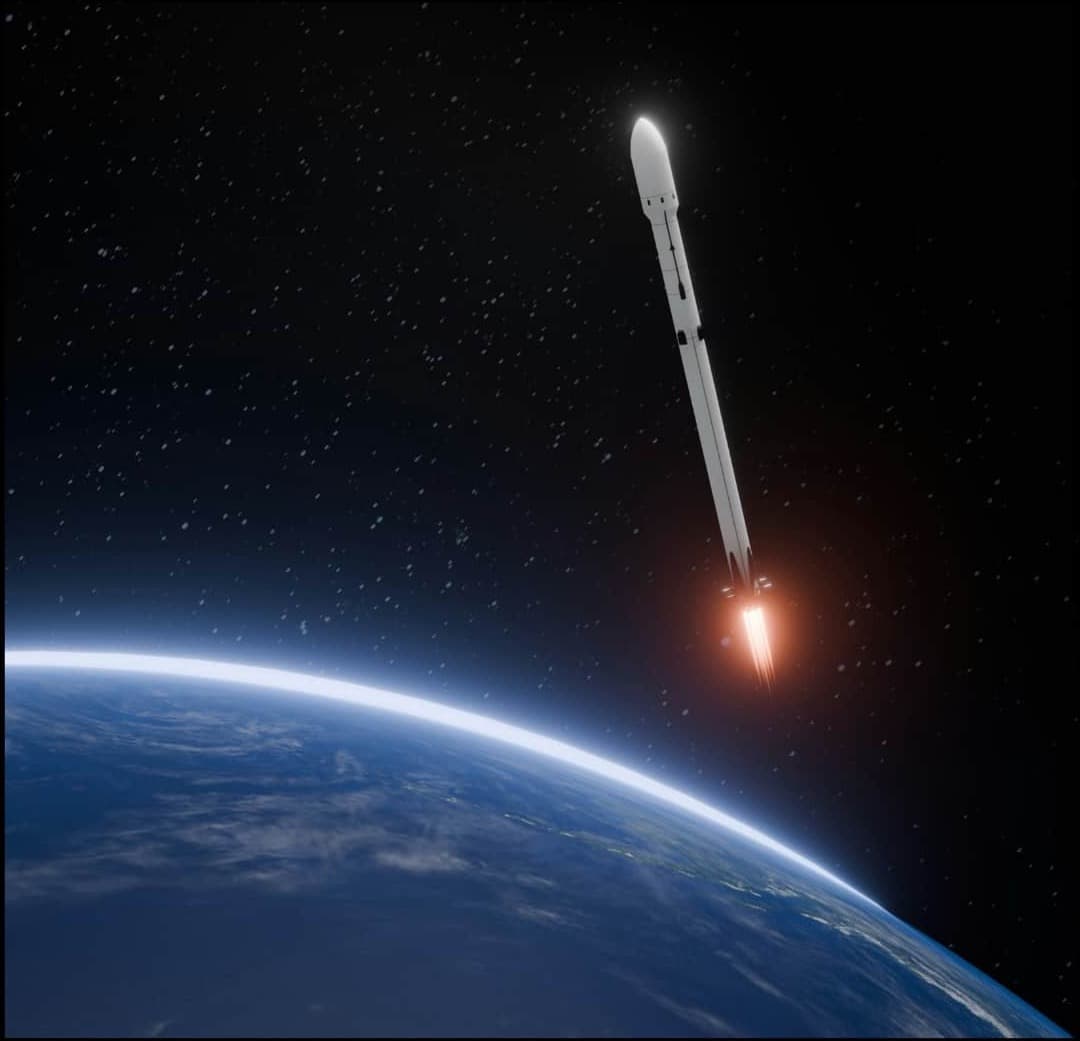
As the global space economy transitions from a government domain into a commercial and private investment frontier, investors are looking far beyond our atmosphere. From satellite launches, communications, and a new wave of technology, it is redefining how humans are using and profiting from outer space.
As capital is deployed toward infrastructure, orbital manufacturing, and even extraterrestrial resource extraction, this new economy is evolving into an intricate network of markets that will support global communication, climate monitoring, and national security. The cost of access to orbit is declining, technologies are getting closer to going to market, and investors are ready to reshape the aerospace supply chain. Private equity and late-stage venture capital are turning a once-expensive industry into a scalable one.
Fueled by exclusivity and vision, ultra-high-net-worth (UHNW) investors are eager to participate in intergalactic investments, not just for financial speculation, but as early believers in a universal economy.
Why This Is a Structural Shift
Beyond Satellites
Traditionally, satellite communications have been at the core of the space economy. New sectors (space debris management, in-orbit manufacturing, and resource extraction) are expanding the scope. Emerging companies are developing technologies for repairing spacecraft in orbit, refueling satellites, and returning hardware to Earth.
Infrastructure as an Asset Class
The last century was defined by railways, highways, and data cables; this century will be shaped by lunar logistics, interplanetary supply chains, and orbital transport. Orbital relay and communication networks, space stations, and off-world human habitats represent the next wave of infrastructure investment. Early investors who position themselves may benefit from the compounding effects of this emerging infrastructure layer.
Strategic and Defense Dimensions
Space has traditionally been viewed as a domain of militaries and governments. Countries have already established "space commands" and deployed satellite constellations for communications, missile detection, and surveillance. While this militarization parallels naval dominance centuries ago, international position in orbit is increasingly viewed as essential to global power projection. Technologies with dual civil and defense uses are creating strong demand for secure data relays and propulsion systems.
Earth Observation and Climate Intelligence
Commercial satellite constellations can now deliver near-real-time information on weather, energy, environmental change, and agriculture. The ability to monitor every square foot of the earth carries both economic and ethical implications.
Asteroid Mining and Extraterrestrial Resources
Access to platinum-group metals and rare earth elements could redefine supply chains and geopolitics through off-world resource extraction. In our view, the earliest investors in this category may not see near-term returns, and outcomes here are far from assured: this is a long-horizon allocation, not a near-term one.
The Investor Dilemma: Vision vs. Viability
Space investments face long development timelines, international geopolitical sensitivity, and complex regulatory landscapes. Unlike software or real estate, scaling in space demands enormous capital, a high tolerance for technological risk, and patience.
Private Equity and Late-Stage VC Trends
- Aerospace supply chains: By acquiring mid-tier component manufacturers, propulsion specialists, and material firms, private equity funds can consolidate the fragmented aerospace economy.
- Launch and satellite technology: Focusing on dual-use potential and recurring revenue, late-stage investors are funding miniaturized satellites, AI-driven orbital operations platforms, and reusable rockets.
- Downstream applications: Data analytics firms that use satellite imagery for insurance, defense intelligence, and agriculture represent, in our view, one of the more immediate paths to profitability in the sector.
These opportunities can offer a high risk-adjusted upside and exclusivity, but they require the same underwriting discipline as any private allocation.
Global Dynamics
The United States, Asia, and Europe are competing to establish footholds in orbit and on the moon.
- United States: NASA's Artemis program, Space Force initiatives, and partnerships with commercial launch and orbital infrastructure providers are driving the integration of lunar and orbital infrastructure into the private sector.
- China: Commercial space ventures are largely state-funded and will likely continue to accelerate as the technology matures.
- Europe and Japan: Currently focused on sustainability, earth observation, and cross-border industrial cooperation for orbital servicing.
The global race is both competitive and collaborative, with partnerships accelerating innovation and reinforcing strategic dependencies.
Strategic Considerations for Investors
- Ethical and environmental responsibilities: Orbital congestion, space debris, and militarization risk warrant careful ESG consideration.
- Governance and transparency: Investors should prioritize ventures with clear protocols and international cooperation frameworks.
- Due diligence beyond technology: Geopolitical exposure, regulatory compliance (e.g., ITAR and export controls), and dual-use considerations must be assessed before investing.
- Long-term horizon: These investments can carry a 7-to-15-plus-year return window that requires substantial capital and a high tolerance for risk.
- Portfolio construction: Blending exposure to nearer-term revenue streams (data analytics and communications) with more speculative frontier plays (resource mining and in-space manufacturing) can help investors build a more diversified posture within the category.
Conclusion
The combination of orbital infrastructure, defense, and exploration will help define the next century. For investors, the space economy represents both exclusivity and scale.
In our view, the investors who do best in this category won't simply be chasing the next breakout company: they will be the ones who understand the policies, ethical questions, and emerging technology shaping humanity's expansion beyond Earth, and who bring disciplined governance and patient capital to match the timelines involved.